What the sporting world is doing to combat this impending global crisis


🥵 The impact on sports
The impact of climate change is undeniable, touching every corner of the planet. Even if all countries’ emission-reduction pledges are fulfilled, Earth’s temperature is expected to rise by approximately 7.2℉ (4℃) by 2100, further exacerbating the shorter winters, intense heat waves, drought, flooding, and wildfires that we’re already experiencing.
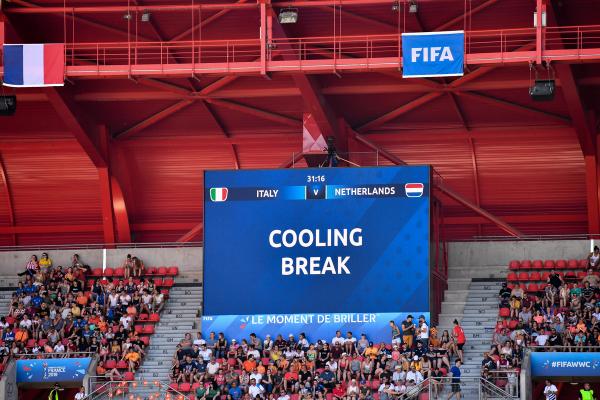
In the world of sports, extreme weather isn’t just abbreviating ski seasons and rescheduling outdoor competitions, it’s endangering athletes. For example, at the 2014 Australian Open, punishing temps saw over 1K fans treated for heat exhaustion, an athlete and ball boy collapse, sneakers melt, and nine tennis players exit the tournament early.
- Four years later, the U.S. Open was forced to implement heat breaks after multiple athletes withdrew from the Grand Slam.
Entire events have been moved to avoid extreme weather. The most recent men’s World Cup was shifted from July to November 2022 to protect players and fans from Qatar’s intense summer temperatures, while typhoons forced surfing, rowing, and archery events to be rescheduled at the 2020 Tokyo Games.
And it’s not just players at risk, climate change is threatening venues. Hurricanes, which have become more frequent and powerful, have devastated major cricket grounds in the Caribbean and flooding in the UK canceled multiple Women’s Super League games in 2020.
- In 2015, English soccer club Carlisle United’s stadium was submerged for seven weeks after major rain storms, which could foreshadow what’s to come: flooding will threaten nearly 25% of England’s pro soccer stadiums within the next 30 years.
The future of many sports could be in jeopardy. Some locations will become untenable for outdoor competitions due to heat, while rising sea levels are expected to endanger beach rugby culture in the South Pacific as well as eliminate up to two-thirds of southern California beaches — many of which are hotspots for surfing.
- As for winter sports, it will be increasingly difficult to find snowy locales. A recent study found that only one of the last 21 Winter Olympic cities will have a suitable climate to host the Games again by the end of this century. TL;DR? It’s getting hot in here.
🫣 The contribution of sports

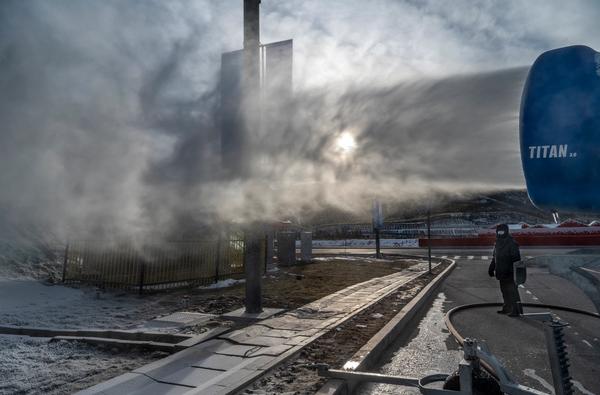
Sports aren’t just a victim of climate change, they’re also a huge contributor. From the significant amount of pesticides and water that keep golf courses green, to clearing forests in order to construct Olympic venues in Sochi, PyeongChang, and Beijing, to the huge energy and water waste that artificial snow requires, the games we love are bruising the planet.
But the biggest concern? The fact that most of the industry fails to track its own carbon footprint. Unfortunately, this major blind spot makes it difficult to treat the problem since it can’t be measurably diagnosed.
The best estimate of the impact of sports, however, is that the industry’s global emissions equate to the same levels of a medium-sized country. This comes from factors like the use and construction of venues, transportation to and from events, and the production of sporting equipment.
- Even worse, a significant portion comes from fans. International air travel to cheer on teams comprises almost 70% of emissions generated by World Cups and Olympics. Sheesh.
💪 Sustainable moves


Despite the lack of emissions tracking, many sports teams and organizations are attacking the climate problem head-on, by transitioning to renewable sources of energy and raising awareness using ecological initiatives at sporting events.
The Premier League’s Chelsea FC switched energy suppliers in 2022 in order to power their club using wind, solar, and landfill gas energy, while Turkish soccer team Galatasaray S.K. installed over 10k solar panels on its stadium, generating more than enough electricity to power the venue.
But the world’s greenest soccer club (at least, according to FIFA) is England’s Forest Green Rovers, the first-ever UN-certified carbon-neutral squad. Not only does their stadium use 100% renewable energy, they serve vegan food, recycle rainwater, and employ a solar-powered lawnmower on their organic pitch.
- Even more, the club recently broke ground on a new carbon-free wooden stadium to avoid the use of carbon-intensive concrete.
The Olympics has also begun playing the sustainability game: The International Olympic Committee (IOC) recently declared it will cut emissions by 50% by 2030. And en route to that goal, this year, Paris is committed to cut planet-heating initiatives in half compared to recent editions. Incredible.
🚨 Greenwashing

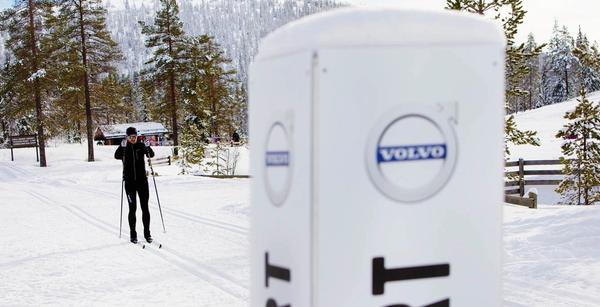
While many teams, organizations, and sponsors make good-faith environmental efforts, there is also rampant greenwashing — the act of misleading others into thinking something is environmentally friendly for profit or good publicity. This can be as blatant as purposefully lying about emissions or as inadvertent as vaguely labeling an item “eco-friendly.”
Perhaps the most extreme example of greenwashing was described in a recent report that found at least 107 “high-carbon” sponsorship deals within winter sports. Skeleton racer Lizzy Yarnold, Britain’s most decorated Winter Olympian, called such deals “winter sport nailing the lid on its own coffin.”
But carbon offsets are the most common greenwashing move. This occurs when organizations cut a check for an offsetting project in order to “cancel out” their operational emissions and claim carbon neutrality. Not only do offsets lack transparency, but the math sometimes does not math.
🌎 What’s next


There’s a lot of work to be done to adequately combat the climate crisis, both outside and within the sports industry. The first move might be standardizing how all sports entities assess, report and improve their carbon footprint.
Though some global sports organizations, like World Sailing and World Athletics, have concrete plans to hit carbon-neutral, more needs to be done at all levels of sports, including revamping the sportswear industry.
Reliance on a voluntary system of addressing a team’s or sport’s climate impact is also unsustainable. At some point, governments will have to consider implementing policies that will incentivise renewable energy.
The good news? Sports have immense capacity to influence global culture. By harnessing that power, the games we love could become a massive force in amplifying the need for change, and developing solutions that truly make a difference. Teamwork makes the (environmental) dream work.
Enjoying this article? Want more?

Sign up for The GIST and receive the latest sports news straight to your inbox three times a week.